
More Than a Ride: Why Transportation Is the Focus of AFFCF’s Giving Tuesday Campaign
For youth in foster care, reliable transportation can mean the difference between keeping a job and losing it, staying on track in school or falling behind, and building independence or facing another setback.
Imagine working hard to land your first job, only to lose it because your car breaks down and you have no other way to get to work.
Or imagine being just weeks away from completing a college semester, but missing an important exam because you couldn’t find a ride to campus.
For many young people with foster care experience, these aren’t hypothetical situations. Transportation barriers can affect their ability to attend school, maintain employment, access essential resources, and build a stable future.
That’s why, this Giving Tuesday, December 1, Arizona Friends of Foster Children Foundation (AFFCF) is working to raise $50,000 to help young people overcome transportation barriers.
Our campaign, Bridge the Gap to Transportation, is about more than helping young people get from one place to another. It’s about making sure a lack of transportation doesn’t stand between them and the futures they’re working so hard to build.
The Rising Cost of Transportation Is Creating More Barriers
We all know that getting around has become more expensive. Whether it’s purchasing a used car, paying for repairs, filling up the gas tank, or finding an affordable alternative, transportation can take a significant portion of a household’s budget.
And the numbers tell the story.
- Used vehicle prices have risen substantially since 2019. Even purchasing an older, reliable vehicle requires a greater financial investment than it did just a few years ago.
- Vehicle maintenance and repairs have become more expensive. From replacing tires to handling an unexpected mechanical issue, keeping a car running can create financial strain.
- The cost of owning a vehicle extends far beyond the purchase price. Insurance, fuel, registration, repairs, and routine maintenance all add up, making reliable transportation an ongoing financial commitment.
For young people transitioning out of foster care, these expenses can be particularly challenging.
Many are navigating adulthood while building their financial foundations, pursuing education, and entering the workforce. Unlike peers who may be able to rely on family for a ride, help with repairs, or assistance purchasing their first vehicle, young people with foster care experience may not have those same resources available.
An unexpected $500 repair bill might be an inconvenience for one person. For another, it could mean choosing between fixing their car and paying rent.
And when transportation becomes unreliable, the consequences can extend far beyond the road.
From Saving for a Car to Driving Toward Independence
For young people like Cerue and Muzamel, the Car Match program has helped turn their hard work into greater independence.
Cerue: Building Financial Confidence, One Dollar at a Time
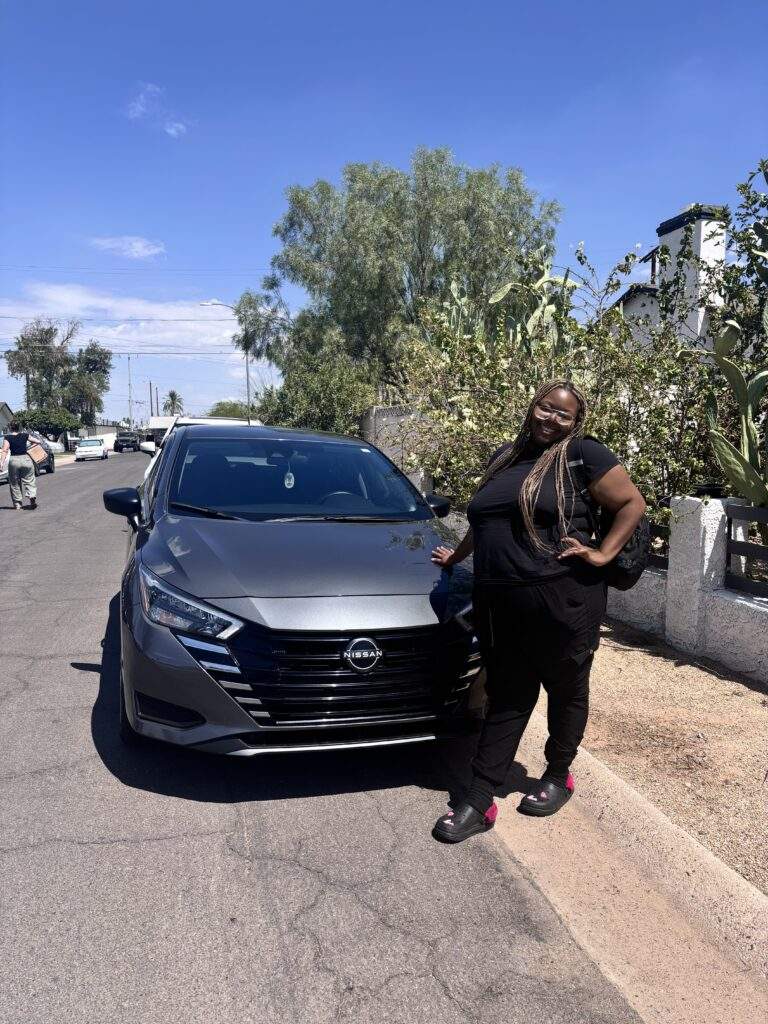
For Cerue, saving thousands of dollars toward a car once felt like an overwhelming goal.
“The program motivated me to stay consistent with saving and taught me that setting a financial goal and sticking with it can really pay off,” she shared.
Through Keys to Financial Success, Cerue learned how to be more intentional with her money and developed confidence in her ability to achieve financial goals.
After successfully saving for her vehicle and receiving AFFCF’s match, she gained something even more valuable: greater control over her daily life.
“Having reliable transportation has given me more independence and makes it easier for me to get to work, handle my responsibilities, and plan for my future without having to depend on other people for transportation.”
For Cerue, the experience changed how she approaches her financial future.
“The car match was more than just financial assistance. It helped me build confidence, independence, and a stronger foundation for my future.”
Muzamel: A Reliable Ride to Work, School, and What’s Next
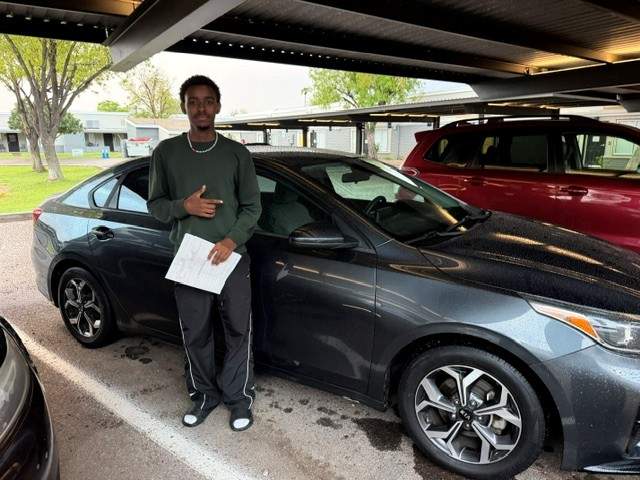
For Muzamel, purchasing a car meant gaining the ability to get to work and school safely and on time.
After receiving the $3,000 Car Match, Muzamel shared how much the support meant:
“Having a car will change my life. It will help me get to work and school safely and on time. I will not have to worry about asking for rides anymore.”
He added, “This car helps me become independent and work hard for my future.”
His experience illustrates how reliable transportation can support the goals young people are already working toward.
A Little Guidance Can Go a Long Way
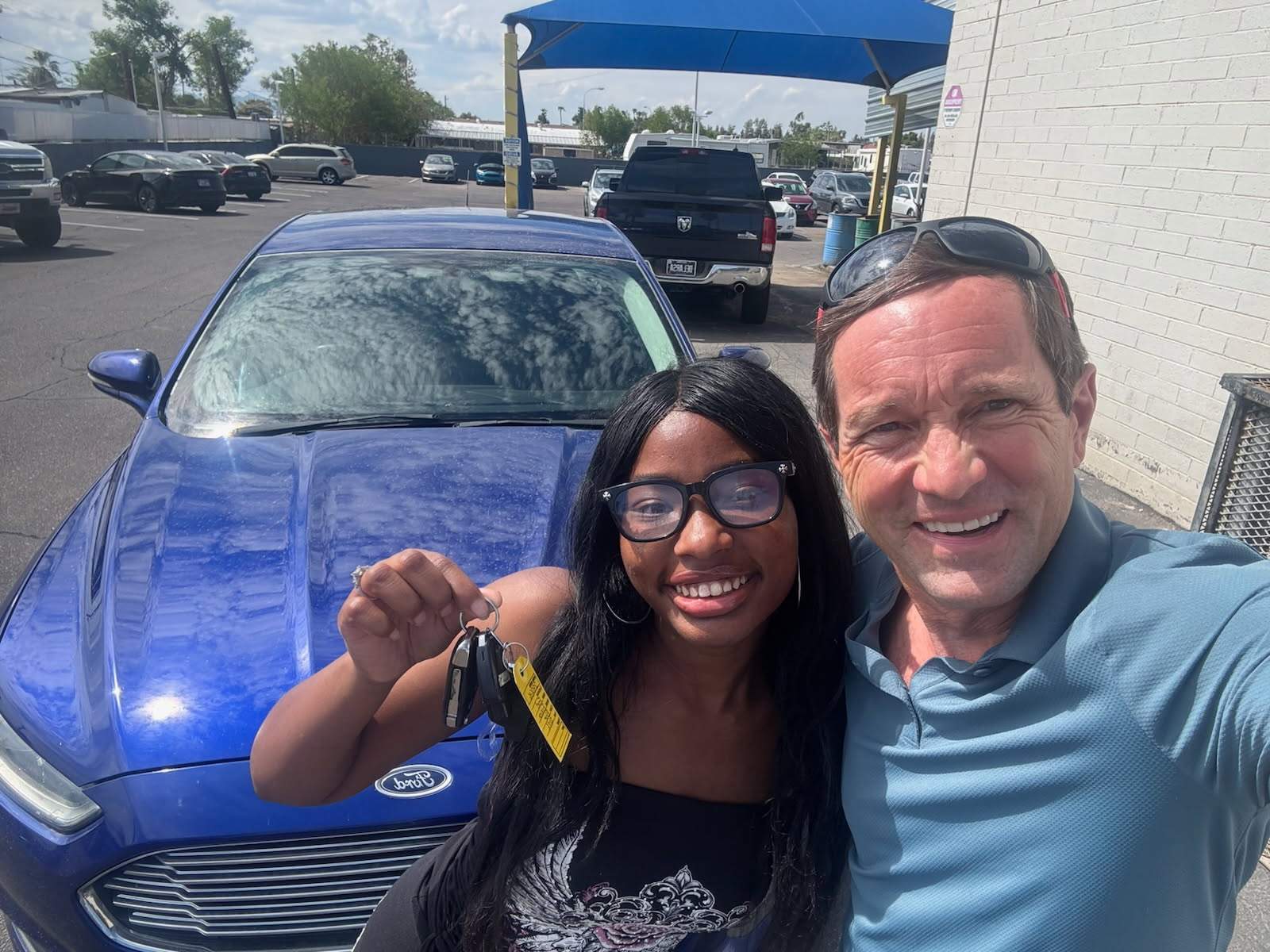
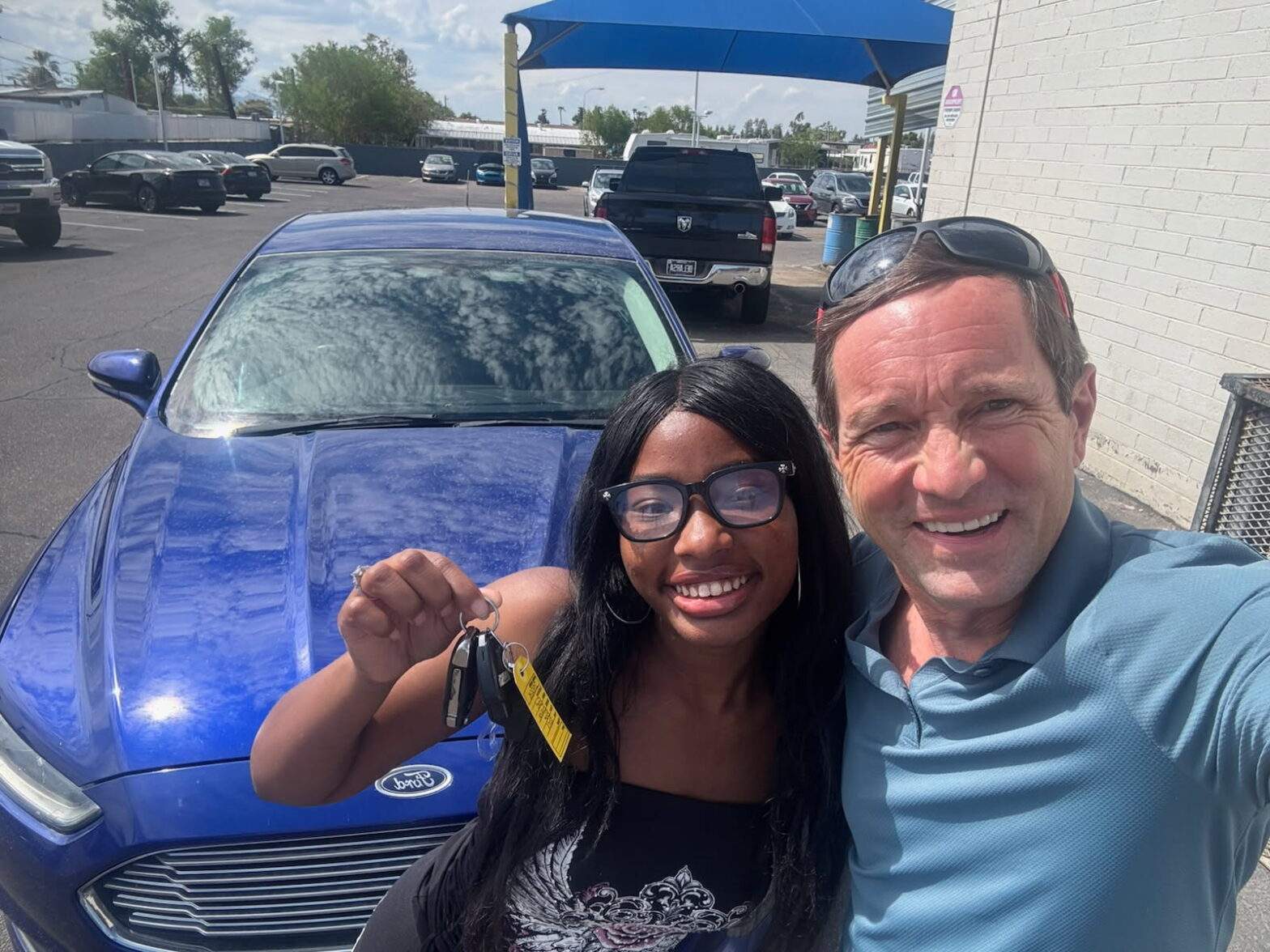
For another young person in the KTS program, purchasing her vehicle was an experience she didn’t have to navigate alone.
With support from a volunteer car mentor, she had someone by her side during the car-buying process, helping her approach this important financial decision with greater knowledge and confidence.
It’s a reminder that AFFCF’s support extends beyond financial assistance. Sometimes, having someone to offer guidance during a major life milestone can be just as meaningful.
More Than Financial Assistance: Building Skills for Lifelong Success
Through AFFCF’s Keys to Success (KTS) program, young people ages 16–26 with foster care experience receive individualized support as they pursue education, employment, and housing stability.
Transportation assistance is an important part of that support, but it’s only one piece of the equation.
Our goal isn’t simply to provide funding for a vehicle. It’s to help young people build the skills and financial confidence to sustain their independence.
Through Keys to Financial Success, participants receive individualized financial literacy education, including:
- Budgeting and managing their income
- Opening and managing bank accounts
- Understanding and building credit
- Setting financial goals and developing savings habits
- Making informed purchasing and financing decisions
- Building assets and planning for long-term financial stability
These lessons become especially meaningful when young people can apply them to a real-life goal, like purchasing their first car.
How AFFCF’s $3,000 Car Match Works
Through the KTS Car Match program, eligible young people commit to saving $3,000 of their own earned income. Along the way, they practice budgeting, planning, and consistently setting money aside.
Once they reach their savings goal and meet program requirements, AFFCF matches their $3,000 with another $3,000, giving them a total of $6,000 toward purchasing a reliable vehicle.
It’s a significant financial milestone, but the impact goes beyond the purchase.
Young people learn that setting a goal, making intentional financial decisions, and staying committed to a savings plan can lead to meaningful results.
Participants can also choose to work with a volunteer car mentor who helps them navigate the vehicle-buying process, evaluate their options, and make informed decisions at the dealership.
For many young people purchasing their first vehicle, having a trusted person alongside them can make an unfamiliar process feel more manageable.
When Transportation Falls Through, So Can Opportunity
Transportation is one of the most significant barriers to continuity in education and employment for the young people AFFCF serves.
Consider how quickly one transportation challenge can create a chain reaction.
A missed shift can put employment at risk. Without reliable transportation, a young person may struggle to arrive at work consistently. Losing employment can mean losing the income they depend on for rent, groceries, and other necessities, potentially threatening their housing stability.
A missed class can delay educational goals. For students pursuing a degree or certification, transportation challenges can lead to missed classes, exams, or required training hours. Falling behind could mean repeating coursework or extending their education by another semester.
A missed opportunity can affect long-term independence. From job interviews and internships to medical appointments and essential errands, transportation provides access to the resources and experiences that help young people build successful futures.
For youth with foster care experience, reliable transportation isn’t simply a convenience. It’s a critical connection to education, employment, housing stability, and self-sufficiency.
That’s why AFFCF is committed to addressing transportation barriers before they become larger obstacles.
Every Mile Matters: Help Us Bridge the Gap This Giving Tuesday
Not every young person needs a car. Some need an e-bike to get to work, a bus pass to attend classes, or assistance addressing an unexpected transportation expense.
That’s why AFFCF provides multiple pathways to reliable transportation, meeting young people where they are and helping them access the resources that best fit their needs.
This Giving Tuesday, December 1, our goal is to raise $50,000 to help approximately 200 young people overcome transportation barriers.
Your generosity can help provide:
- Bus passes to help young people get to school, work, and essential appointments.
- E-bikes and other transportation resources that provide more flexibility and independence.
- Car Match funding that rewards financial responsibility and helps young people purchase reliable vehicles.
- Financial literacy and individualized guidance that help young people build the skills to maintain their independence.
Because when you help a young person get to work, you’re helping them maintain their income.
When you help them get to class, you’re supporting their educational goals.
And when you help them purchase their first vehicle, you’re supporting more than a milestone. You’re helping them build confidence, stability, and a future filled with possibility.
Transportation is more than a ride. It’s a bridge to opportunity.
This Giving Tuesday, help us bridge the gap.
DONATE TODAY: GIVE A YOUTH A LIFT
Arizona Friends of Foster Children Foundation (AFFCF) has supported Arizona’s foster community for more than 40 years, helping young people from childhood through early adulthood access opportunities, education, and resources that support their success. Learn more at affcf.org.